AI Code Review: Can AI Check Your AI-Built App?
Can AI review your AI-built app? Learn what AI code review catches, what it misses (RLS, keys, Stripe webhooks), and how to combine it with a human check.
On this page · 6 sections
Key takeaways
- AI review is fast and cheap for a first pass over style, obvious bugs and known insecure patterns.
- It tends to miss business logic: Stripe webhooks, duplicate orders, and rules that depend on how your product is supposed to work.
- Asking the builder (Lovable, Bolt, Base44) to review its own code gives you a second opinion from the same source of the mistakes.
- Generic security scanners also miss business logic, so a clean report does not mean a safe app.
- Four checks cover most of the risk before real users arrive: data access rules, exposed keys, payment confirmation and backups.
- Treat AI-generated code as a first draft. Fix what exists before thinking about a rewrite.
AI code review is useful for an AI-built app, but it is not enough on its own. It is good at spotting obvious bugs, unsafe patterns and messy code. It is weak at the things that hurt founders most: who can read which data, which keys sit in the browser, and whether a payment really succeeded.
I am a Brazilian engineer who has done many human code reviews, and I use AI reviewers myself. My practical rule: let AI do the first pass, then have a person check the few paths where a mistake costs money or leaks data.
What does AI code review catch well?
Where a pattern is common and well documented, AI reviewers do well. They read a whole file in seconds and do not get tired. In my experience they are strong at:
- Readability and structure: duplicated logic, giant components, unclear names, dead code.
- Common bug patterns: missing error handling, unawaited promises, null access, off-by-one mistakes.
- Known insecure snippets: string-built SQL, unsanitized HTML rendering, obviously hardcoded secrets in a file.
- Missing tests and types: suggesting where a test or a stricter TypeScript type would help.
- Dependency hygiene: flagging outdated or unused packages.
This is real value. On a team, I would happily have every pull request get an automated pass before a human opens it. It saves reviewer time for the questions only a person can answer.
Where it works best
It works best on small, self-contained changes with clear context. The more of the picture it can see, the better it is. Give it one function and it reviews one function. It cannot tell you that the function is called from a screen where the wrong user can reach it.
What does it miss in AI-generated apps?
The misses are not random. They cluster in places where the code looks correct but the rules are wrong. Code can pass every style check and still let any logged-in user read everyone’s records.
Data access rules
Apps built with Lovable have shown a pattern of weak Supabase row-level security (RLS) rules. A reviewer reading the frontend sees a query that works. It does not know whether the database policy behind it allows only the owner’s rows or all rows. You have to look at the policies themselves and test them with two different users.
Keys in the browser
Some keys are meant to be public, such as a Supabase anon key, as long as RLS is correct. Others, such as a Stripe secret key or a service role key, must never reach the browser. An AI reviewer may not know which is which in your setup, or may call a leaked key a minor note.
Payment paths and business logic
Generic scanners and AI reviewers miss business logic such as Stripe webhooks and duplicate orders. Questions like these need someone who understands the flow:
- Is access granted when the user returns to a success page, or only after a verified webhook?
- Is the webhook signature checked?
- What happens if the same event arrives twice?
- Can a user change a price or quantity in the request?
None of these is a syntax problem. They are questions about intent, and the model does not know your intent unless you write it down.
Why is asking the builder to review its own code not enough?
It is tempting to type “review this app for security issues” into the same tool that built it. It is free and quick, and sometimes it finds something real. But it has limits.
The data rules, keys and payment paths are exactly what these tools tend to get wrong. When the same model reviews its own output, it often shares the same blind spots and assumptions. It may also “fix” a problem by changing code in ways that break something else, because it does not hold your whole system in view.
There is also a question of responsibility. The platform secures its own infrastructure and accounts. The app owner is responsible for who can read which data, for keys in the browser, for payment confirmation and for backups. A chat answer from the builder does not transfer that responsibility. You still need to verify.
I do not say this to disparage the tools. One documented example: in July 2025, Wiz researchers found that Base44, owned by Wix, let an attacker register on apps meant to be private using only the app’s ID, and it was fixed within a day. That was a platform issue, not an app-owner one. Your own app’s rules are a separate layer, and nobody else will check them for you.
How do I combine AI code review with a human review?
Use each for what it does best. This is the order I would follow:
- Run an AI reviewer for a first pass. Use a different tool from the one that wrote the code if you can. Collect the findings, and do not apply them blindly.
- Run a scanner or dependency check. It is cheap and catches known issues. Treat a clean result as one input, not a verdict.
- Write down your rules in plain language. For example: a user can only see their own orders; an order is paid only after a verified webhook.
- Have a person test those rules. Log in as two users and try to read the other’s data. Replay a webhook. Try to change a price in the request.
- Fix the highest-risk items in the existing code. A rewrite is rarely the first answer.
- Re-run the checks after changes, and confirm backups can actually be restored.
Most of the risk is found by a few focused checks rather than a full audit. The cost of fixing grows after real users and payments arrive, so doing this early is the cheap path.
Which parts of the app need a human eye first?
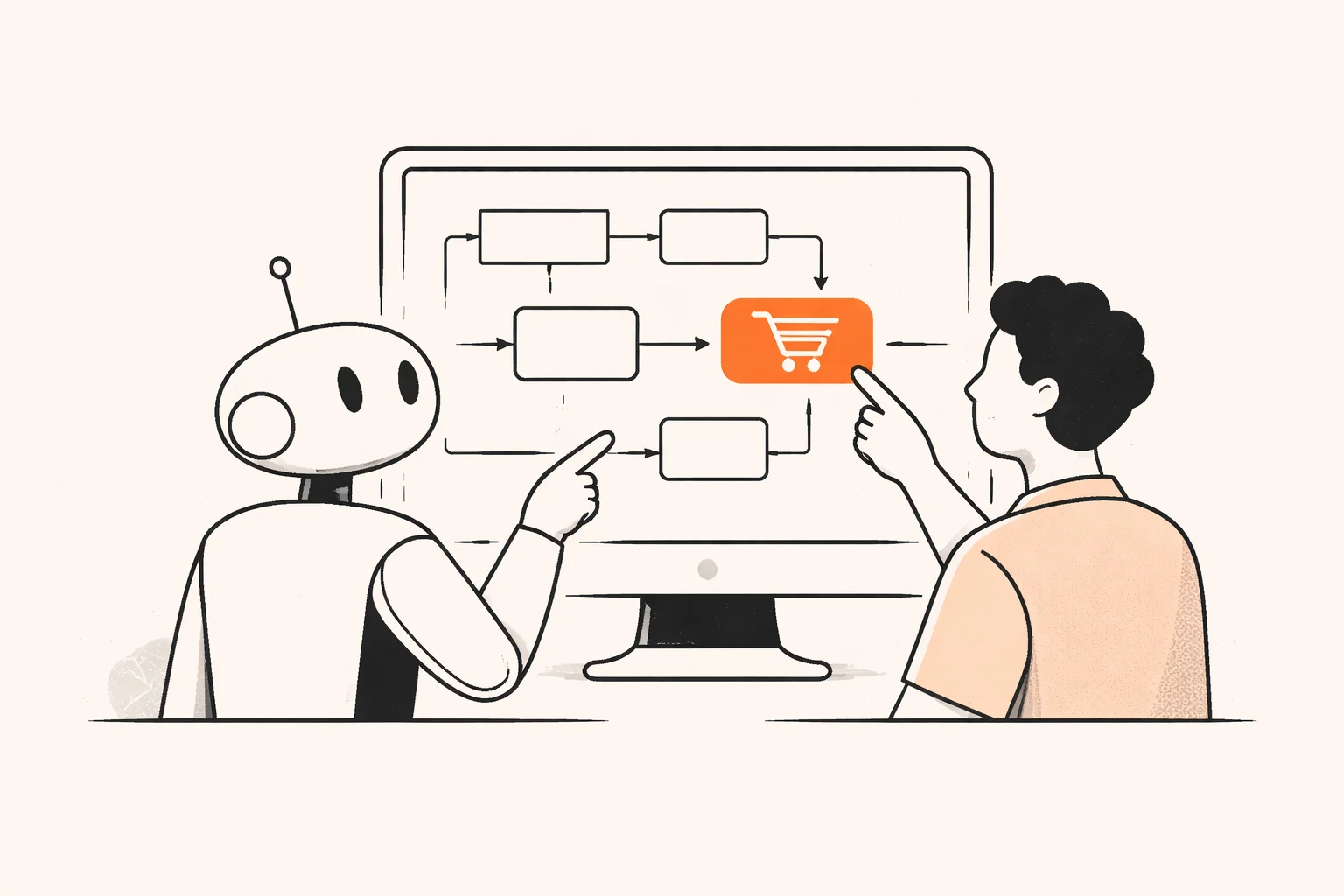
If you can only spend an afternoon, spend it here. These are the four checks that cover most of the risk before real users arrive.
| Area | What a person should verify |
|---|---|
| Data access rules | RLS policies on every table; test with two users; no table open to everyone by accident |
| Exposed keys | No secret or service role keys in browser code, repo history or environment values shipped to the client |
| Payment confirmation | Webhook signature verified; access granted only after confirmed events; duplicate events handled |
| Backups | Backups exist, are recent, and a restore has been tried at least once |
On code review in general, I have led more than 15 people across web, mobile and e-commerce, including sprint planning, code review, mentoring and DevOps. What I learned there applies directly: reviewers should spend their attention on the risky paths, not on formatting. Automation handles the rest.
When staying on the builder is fine
Staying on the builder is sometimes the better call, for example for an internal tool or a prototype with few users and no payments. Code built in Lovable can be moved to GitHub and your own hosting later, so you keep that option. The checks above still apply wherever the app runs.
Want a second opinion on your app?
If you have an AI-built app and want to compare notes, email me@filipeeduardo.dev with the link and a few lines about what it does, and I’ll tell you what I’d check first.
Frequently asked questions
Can AI replace a human code review?
Not for the risky parts. It can replace much of the routine first pass, but data rules, keys and payment logic need someone who understands what the app is supposed to do.
Is a security scanner enough?
No. Scanners find known patterns and vulnerable packages. They miss business logic such as Stripe webhooks and duplicate orders.
Should I ask Lovable or Bolt to audit its own app?
It is fine as one input, and often finds something. But it shares the blind spots of whatever wrote the code, so verify the important findings yourself or with another engineer.
Do I need a rewrite if the review finds problems?
Usually not. Fix the highest-risk issues in the existing code first. A rewrite only makes sense if the structure itself blocks the fixes.
How much does a human review cost?
It depends on the size of the app and who does it. I will not quote numbers here. A focused review of the four areas is much smaller than a full audit.